


Blog / Coastal Hyundai FL Service

5 Tips to Keep Your Hyundai Running Smoothly

Hyundai cars are known for safety, comfort, and ultra-reliable performance. It may take less maintenance to keep a Hyundai in terrific shape than many other automotive brands, but you still need to remember your oil changes and tire rotations. The technicians at your local Hyundai dealership can carry out all essential performance care to keep your Tuscan, Palisade, IONIQ 5, or Sonata purring along wonderfully for its full impressive lifespan. 

5 Tips to Keep Your Hyundai Running Smoothly

Refresh Your Motor Oil

The hardest-working parts of a car are often the quietest. Inside your engine, the motor oil works away silently mile after mile like a diligent and dependable janitor, clearing away particles and protecting all the vital parts from friction. Modern synthetic oil is highly durable and only needs to be changed twice a year for most drivers. For the sake of your engine, never allow your motor oil to grow old and degrade. 

Book Engine Tune-Ups

A good engine tune-up entails running an onboard diagnostics scan, replacing the air filter, calibrating the ignition timing, inspecting and possibly replacing the spark plugs and ignition coils, and much more. It's a full overhaul and makeover for your engine, rejuvenating your car's most vital component, and should be carried out once a year. 

Inspect Your Cooling System

The cooling system should also be examined yearly, ideally including a pressure test for the radiator. The whole system needs to be checked for signs of leaks or corrosion, the coolant inspected for rust, and flushed every two to four years. Without routine cooling system care, your engine faces a risk of overheating, will wear down faster, and will run less efficiently.

Replace Your Brake Pads

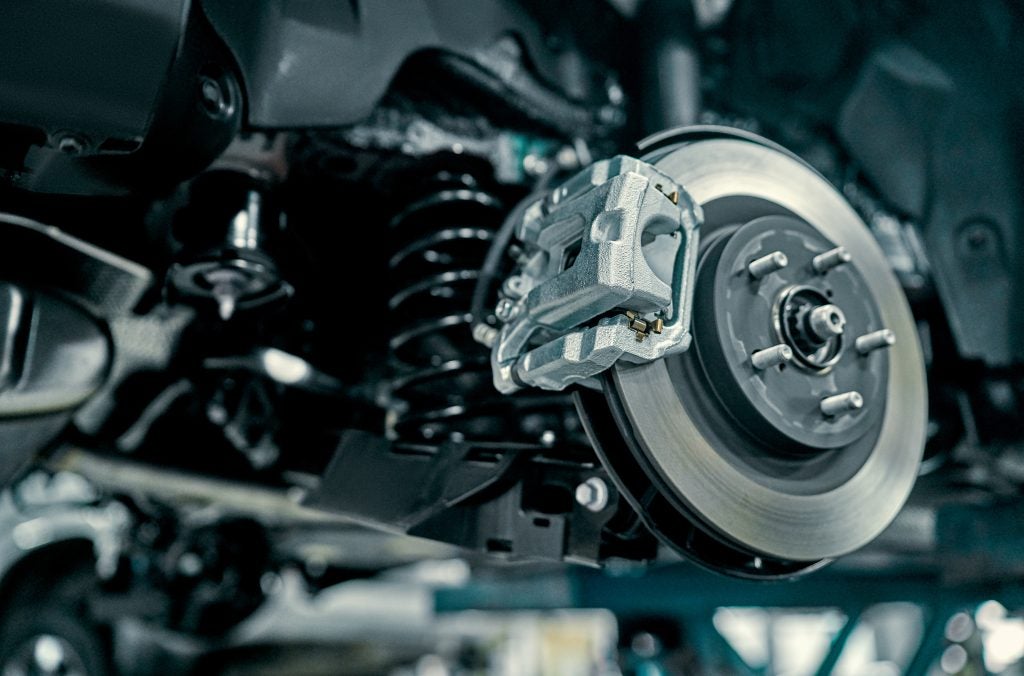
Smooth driving also requires responsive brakes. Due to the wear and tear that brakes naturally undergo, your brakes should be inspected twice a year or more. And brake pads need to be replaced on time; watch out for the squealing or grinding sounds that indicate worn-out pads. 

Rotate Your Tires

Without strong, healthy tires, your drives will become noticeably rougher and noisier. Worse than that, your handling precision will diminish if the tires become uneven or misaligned. Drivers should typically rotate their tires twice a year and have the alignment of all four wheels measured on the same maintenance visit. 

Need Performance Care? Visit Our Hyundai Dealership Today

Our technicians know that great driving is more than just getting from A to B. You want to feel safe and enjoy the smoothest, most pleasurable driving experience possible. With routine schedule performance services, we can keep your car at its very best, no matter your driving conditions. 

Visit Coastal Hyundai in Melbourne, FL, to arrange a convenient maintenance schedule that makes all these services as easy as pie. For 38 years, we've been helping the area's Hyundai drivers get the most from their cars with minimal fuss and expense. 
Posted in:

Related Posts

Close-up of a car’s brake assembly, showing the brake rotor, caliper, and suspension components.

Brakes FAQ: What Are the Different Components of Your Hyundai's Brake System?

When it comes to vehicle safety, few systems matter more than your brakes. Yet most drivers don't think much about how their brakes actually work — until something feels off. This FAQ breaks down the key components that make up your Hyundai's brake system so you can catch potential issues before they become bigger problems. No matter if you're a new driver or a longtime Hyundai owner in Melbourne, FL, understanding your brakes is always a good idea. more What Does a Brake System Actually Do? The brake system is responsible for slowing and stopping your vehicle by converting kinetic energy into heat through friction. It's a coordinated system made up of several components, all working together every time you press the brake pedal. When even one part begins to wear, the entire system can be affected, which is why it's important to know what each piece does. What Are Brake Pads and Why Do They Matter? Brake pads are one of the most frequently replaced components in the brake system, and for good reason. They're designed to create friction against the brake rotor to slow your vehicle down. Over time, material wears away, which is why brake pads need periodic replacement. Most brake pads have a built-in wear indicator that produces a squealing sound when the material gets too thin. If you start hearing that noise, it's a signal that it's time to have your brakes inspected. Ignoring worn brake pads can lead to metal-on-metal contact with the rotor, which is both dangerous and costly to repair. What Are Brake Rotors? Brake rotors, also called brake discs, are the large metal discs that your brake pads clamp against to create stopping force. They're mounted directly to the wheel hub and spin along with your tires. When you apply the brakes, the pads squeeze against the rotor surface and generate the friction needed to bring your vehicle to a stop. Rotors can warp or develop grooves over time, especially if brake pads wear down completely causing metal-on-metal contact. Vibration in the brake pedal is often a sign that the rotors may be uneven or worn. Rotors can sometimes be resurfaced, but in many cases, replacement is the better long-term solution. What Are Brake Calipers? The brake caliper is the housing that holds the brake pads and contains the hydraulic pistons that press the pads against the rotor. When you press the brake pedal, hydraulic pressure pushes the caliper's pistons outward, forcing the brake pads to clamp down on the rotor. Calipers can stick or seize over time, which may cause the pads to stay partially engaged with the rotor even when you're not braking. You might notice uneven wear on your brake pads or your vehicle pulling to one side if a caliper isn't functioning properly. This is another component that's worth having checked during a routine brake inspection. What Is Brake Fluid and Why Is It Part of Your Brakes? Brake fluid is the hydraulic fluid that transfers force from your brake pedal through the brake lines to the calipers. Without it, your brakes wouldn't function. Brake fluid is stored in a reservoir under the hood and travels through a network of lines and hoses to reach each wheel. Over time, brake fluid can absorb moisture from the air, which lowers its boiling point and reduces braking effectiveness. Most manufacturers recommend flushing and replacing brake fluid at regular intervals. If your brake pedal feels soft or spongy, low or contaminated brake fluid could be the reason. What Are Brake Lines and Hoses? Brake lines are the metal tubes and flexible rubber hoses that carry brake fluid from the master cylinder to each wheel's caliper or wheel cylinder. The metal lines handle most of the route, while flexible hoses connect the rigid lines to the moving parts of the suspension. These components are durable but not immune to wear. Rubber hoses can crack or deteriorate and metal lines can corrode. Any leak in the brake line system is a serious safety concern and should be addressed immediately. What Is the Master Cylinder? The master cylinder is essentially the heart of the hydraulic brake system. It converts the mechanical force of your foot pressing on the brake pedal into hydraulic pressure, which then travels through the brake lines to engage the calipers and pads at each wheel. If the master cylinder fails, you may notice your brake pedal sinking to the floor or requiring more pressure than usual. This is where regular inspection really pays off, since a failing master cylinder can significantly reduce your ability to stop. When Should You Have Your Brakes Inspected? As a general guideline, it's a good idea to have your brakes checked at least once a year or any time you notice warning signs like squealing, grinding, vibrating, or a brake warning light on your dashboard. Hyundai's Car Care Express service makes routine maintenance quick and convenient, so there's no reason to put off a brake inspection. If you're driving in Melbourne and your brakes haven't been looked at in a while, scheduling a service appointment is a simple step that can make a big difference in your safety on the road. Trust Coastal Hyundai with Your Brakes Understanding your brakes doesn't require mechanical expertise, just a basic awareness of what each component does and the warning signs to watch for. From brake pads and rotors to calipers and brake fluid, every part plays a role in keeping you and your passengers safe. When something feels off, don't wait. Bringing your Hyundai in for a professional inspection is always the smartest move. Coastal Hyundai is here to help you stay confident behind the wheel. Visit coastalhyundai.com to learn more or schedule your next service appointment.

Expert Tips for Oil Change Maintenance in Melbourne, FL

Maintaining your vehicle's engine health starts with regular oil change maintenance, a task that feels deceptively simple but quietly determines how well your car performs day after day. For drivers in Melbourne, FL, where heat, humidity, and stop-and-go traffic all conspire against engine longevity, timely oil changes are one of the smartest habits you can develop. Done consistently, they keep your car responsive, efficient, and willing—qualities every driver appreciates, whether you’re commuting along the coast or heading inland for the weekend. more Why Oil Change Maintenance is Crucial for Your Vehicle Engine oil performs the unsung work beneath the hood, circulating through tight spaces, reducing friction, cooling critical components, and carrying away impurities. Over time it becomes saturated with microscopic debris, losing its ability to protect the engine with the same confidence it once had. Skip an oil change for too long and the engine begins to communicate its displeasure—subtle at first, then increasingly persistent. Increased wear, higher temperatures, and measurable drops in performance follow. For Melbourne-area drivers, who regularly deal with warm climates and short-trip driving patterns, routine oil change service isn’t optional—it’s essential insurance for long-term engine health. Signs Your Vehicle Needs an Oil Change Your vehicle will usually offer a few clues that its oil is past its prime: A dashboard light indicating it's time for service Knocking or unusually coarse engine noises Oil that appears dark and murky on the dipstick A faint burning-oil smell inside the cabin These are early warnings—your engine’s way of asking for attention before small problems become expensive ones. How Often Should You Schedule Oil Change Service? The answer depends on how and where you drive. Years ago, the universal rule was 3,000 miles. Today’s engines and oil formulations are far more sophisticated, allowing many vehicles to comfortably reach 7,500 to 10,000 miles between services. However, the environment in Melbourne, FL introduces its own considerations: short trips that barely warm the engine, long idle times, and high temperatures that accelerate oil breakdown. Under conditions like these, more frequent oil change maintenance may be the wiser choice. Your owner’s manual is an excellent guide, and the technicians at Coastal Hyundai can help you determine the ideal interval based on your model and driving habits. Choosing the Right Oil for Your Vehicle Oil is not a one-size-fits-all commodity. The right choice can improve performance, reduce wear, and help the engine maintain temperature even under stress. You’ll generally find three types: Conventional Oil: A reliable option for many older or light-duty engines. Synthetic Blend Oil: A middle ground, offering enhanced protection in demanding conditions. Full Synthetic Oil: Designed for optimal efficiency and durability, especially useful for drivers who want consistently strong performance. At Coastal Hyundai, technicians match the correct oil to your vehicle’s needs, ensuring your engine receives the precise level of protection it was designed for. Benefits of Professional Oil Change Service A professional oil change is more than an oil swap—it’s a health check for the entire vehicle. Expert Precision: Certified technicians use the correct oil and filters engineered for your specific vehicle. Thorough Inspection: Belts, hoses, fluid levels, and other key components are examined during service, often catching issues before they arise. Convenience and Care: Your time is valued, and used oil is handled properly so you don’t have to deal with disposal. Coastal Hyundai in Melbourne, FL delivers fast, meticulous service supported by genuine Hyundai components and advanced equipment—engine care the way it should be. Take the Next Step at Coastal Hyundai Routine oil change maintenance is among the most impactful things you can do to preserve your vehicle’s performance and reliability. For drivers in Melbourne, FL, Coastal Hyundai offers professional service that keeps your engine running clean, cool, and confident. Schedule your oil change today and enjoy the peace of mind that comes from expert care.

Essential Tire Maintenance Tips for Melbourne, FL Drivers

Tire maintenance is a critical aspect of vehicle care that ensures safety, efficiency, and longevity. For drivers in Melbourne, FL, where varying weather conditions can affect roadways, keeping your tires in top shape is even more important. Regularly maintaining your tires not only improves your car's performance but also saves you money in the long run by preventing premature wear and potential blowouts. more Proper tire maintenance involves more than just checking air pressure. It encompasses everything from tread depth inspections to alignment checks. By staying proactive, you can avoid costly repairs and ensure a smoother, safer ride. Key Tire Maintenance Tips for Optimal Performance 1. Regularly Check Your Tire Pressure One of the simplest yet most effective tire maintenance tips is to routinely check your tire pressure. Underinflated tires can lead to poor fuel efficiency, while overinflated tires can cause uneven wear. Both scenarios compromise your safety on the road. In Melbourne, FL's warmer climate, tire pressure can fluctuate more rapidly due to temperature changes. Use a reliable pressure gauge to ensure your tires match the manufacturer's recommended PSI (pounds per square inch), which can typically be found in your vehicle's owner manual or on a sticker inside the driver's door frame. 2. Inspect Tread Depth Tire tread depth plays a significant role in maintaining traction, especially during unexpected rain showers common in Florida. Worn-out treads increase the risk of hydroplaning and reduce overall handling capabilities. To check tread depth, use the penny test: insert a penny into your tire's tread grooves with Lincoln's head facing down. If you can see his entire head, it's time to replace your tires. Staying vigilant with tread inspections can prevent accidents and ensure your vehicle performs optimally. 3. Rotate Your Tires Regularly Rotating your tires is another essential component of tire maintenance. This process ensures even wear across all four tires, extending their lifespan and improving handling. In Melbourne, FL, where drivers may encounter a mix of city streets and coastal roads, tire rotation is particularly important. Aim to rotate your tires every 5,000 to 7,500 miles or as recommended by your vehicle's manufacturer. 4. Schedule Wheel Alignments Misaligned wheels can cause uneven tire wear and impact your vehicle's steering and handling. If you notice your car pulling to one side or your tires wearing unevenly, it may be time for a wheel alignment. Regular alignments not only preserve your tires but also enhance fuel efficiency and provide a smoother driving experience—something every driver in Melbourne, FL, can appreciate. 5. Replace Tires When Necessary Knowing when to replace your tires is just as important as maintaining them. Most tires have a lifespan of about six years, but factors like road conditions, driving habits, and proper maintenance can influence this timeline. Be sure to replace your tires if they show signs of severe wear, damage, or aging. At Coastal Hyundai, we recommend consulting a professional to determine the best replacement options for your vehicle. Trust Coastal Hyundai for Expert Tire Maintenance Tire maintenance is essential for ensuring your vehicle's safety, performance, and longevity—especially for drivers navigating the unique road conditions in Melbourne, FL. By following these tire maintenance tips and addressing issues promptly, you can avoid costly repairs and enjoy a smoother ride. Remember, regular tire care goes hand-in-hand with overall vehicle maintenance. Trust Coastal Hyundai for expert advice and services to keep your car road-ready year-round. Contact us today to schedule your next tire service!