



In conclusion, the latest Hyundai hybrid line-up promises exceptional efficiency, performance, and value for money. These hybrids have advanced technology and safety features that make them stand out from the competition. If you’re in the market for a new hybrid sedan or SUV, be sure to check out the 2023 Hyundai hybrid line-up available at Coastal Hyundai in Melbourne, FL. Contact our team to find out about fantastic finance deals on these vehicles.
Brakes FAQ: What Are the Different Components of Your Hyundai's Brake System?
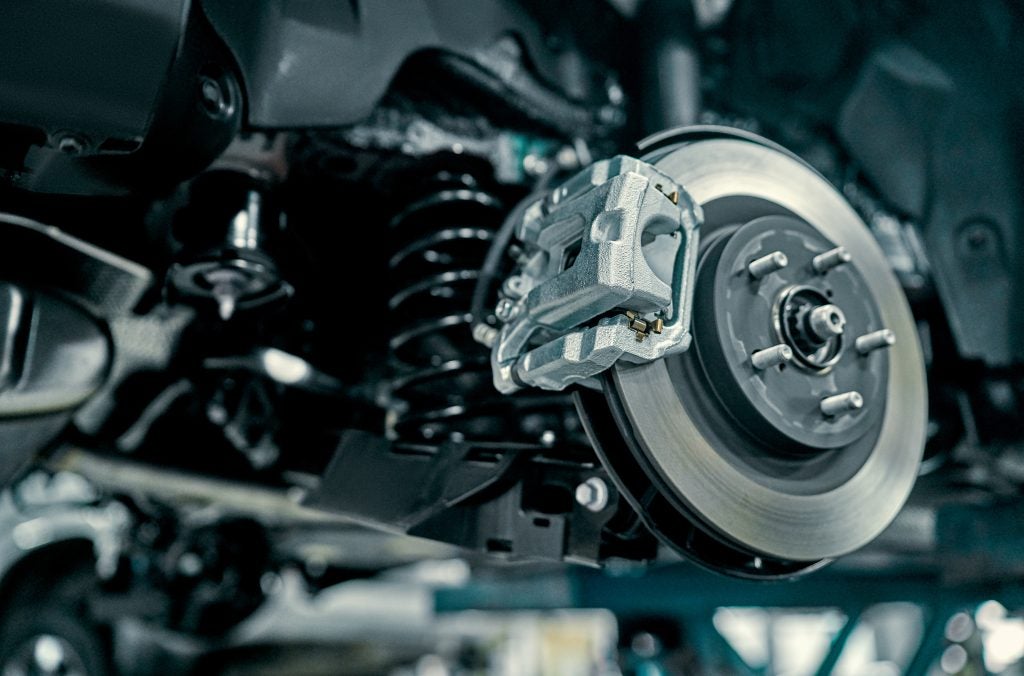
When it comes to vehicle safety, few systems matter more than your brakes. Yet most drivers don't think much about how their brakes actually work — until something feels off. This FAQ breaks down the key components that make up your Hyundai's brake system so you can catch potential issues before they become bigger problems. No matter if you're a new driver or a longtime Hyundai owner in Melbourne, FL, understanding your brakes is always a good idea. What Does a Brake System Actually Do? The brake system is responsible for slowing and stopping your vehicle by converting kinetic energy into heat through friction. It's a coordinated system made up of several components, all working together every time you press the brake pedal. When even one part begins to wear, the entire system can be affected, which is why it's important to know what each piece does. What Are Brake Pads and Why Do They Matter? Brake pads are one of the most frequently replaced components in the brake system, and for good reason. They're designed to create friction against the brake rotor to slow your vehicle down. Over time, material wears away, which is why brake pads need periodic replacement. Most brake pads have a built-in wear indicator that produces a squealing sound when the material gets too thin. If you start hearing that noise, it's a signal that it's time to have your brakes inspected. Ignoring worn brake pads can lead to metal-on-metal contact with the rotor, which is both dangerous and costly to repair. What Are Brake Rotors? Brake rotors, also called brake discs, are the large metal discs that your brake pads clamp against to create stopping force. They're mounted directly to the wheel hub and spin along with your tires. When you apply the brakes, the pads squeeze against the rotor surface and generate the friction needed to bring your vehicle to a stop. Rotors can warp or develop grooves over time, especially if brake pads wear down completely causing metal-on-metal contact. Vibration in the brake pedal is often a sign that the rotors may be uneven or worn. Rotors can sometimes be resurfaced, but in many cases, replacement is the better long-term solution. What Are Brake Calipers? The brake caliper is the housing that holds the brake pads and contains the hydraulic pistons that press the pads against the rotor. When you press the brake pedal, hydraulic pressure pushes the caliper's pistons outward, forcing the brake pads to clamp down on the rotor. Calipers can stick or seize over time, which may cause the pads to stay partially engaged with the rotor even when you're not braking. You might notice uneven wear on your brake pads or your vehicle pulling to one side if a caliper isn't functioning properly. This is another component that's worth having checked during a routine brake inspection. What Is Brake Fluid and Why Is It Part of Your Brakes? Brake fluid is the hydraulic fluid that transfers force from your brake pedal through the brake lines to the calipers. Without it, your brakes wouldn't function. Brake fluid is stored in a reservoir under the hood and travels through a network of lines and hoses to reach each wheel. Over time, brake fluid can absorb moisture from the air, which lowers its boiling point and reduces braking effectiveness. Most manufacturers recommend flushing and replacing brake fluid at regular intervals. If your brake pedal feels soft or spongy, low or contaminated brake fluid could be the reason. What Are Brake Lines and Hoses? Brake lines are the metal tubes and flexible rubber hoses that carry brake fluid from the master cylinder to each wheel's caliper or wheel cylinder. The metal lines handle most of the route, while flexible hoses connect the rigid lines to the moving parts of the suspension. These components are durable but not immune to wear. Rubber hoses can crack or deteriorate and metal lines can corrode. Any leak in the brake line system is a serious safety concern and should be addressed immediately. What Is the Master Cylinder? The master cylinder is essentially the heart of the hydraulic brake system. It converts the mechanical force of your foot pressing on the brake pedal into hydraulic pressure, which then travels through the brake lines to engage the calipers and pads at each wheel. If the master cylinder fails, you may notice your brake pedal sinking to the floor or requiring more pressure than usual. This is where regular inspection really pays off, since a failing master cylinder can significantly reduce your ability to stop. When Should You Have Your Brakes Inspected? As a general guideline, it's a good idea to have your brakes checked at least once a year or any time you notice warning signs like squealing, grinding, vibrating, or a brake warning light on your dashboard. Hyundai's Car Care Express service makes routine maintenance quick and convenient, so there's no reason to put off a brake inspection. If you're driving in Melbourne and your brakes haven't been looked at in a while, scheduling a service appointment is a simple step that can make a big difference in your safety on the road. Trust Coastal Hyundai with Your Brakes Understanding your brakes doesn't require mechanical expertise, just a basic awareness of what each component does and the warning signs to watch for. From brake pads and rotors to calipers and brake fluid, every part plays a role in keeping you and your passengers safe. When something feels off, don't wait. Bringing your Hyundai in for a professional inspection is always the smartest move. Coastal Hyundai is here to help you stay confident behind the wheel. Visit coastalhyundai.com to learn more or schedule your next service appointment.
2026 Hyundai Elantra Trims: Which One Is Right for You?
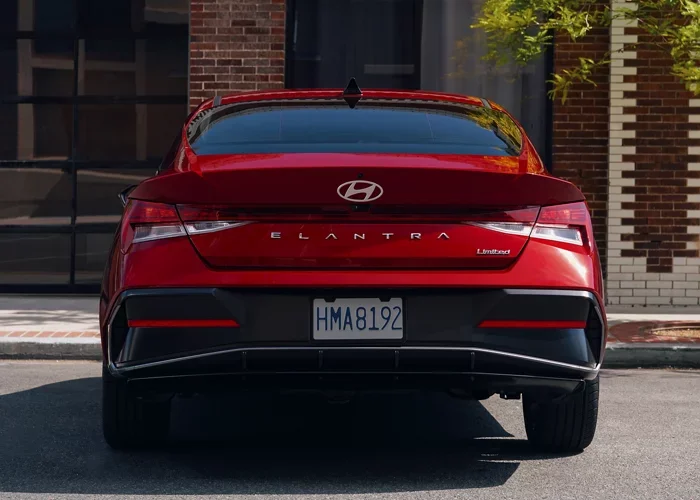
Coastal Hyundai in Melbourne, FL offers a wide range of 2026 Elantra trims for shoppers to consider. If you are looking for a new sedan, you should contact the dealership to discuss which model fits your specific lifestyle. This vehicle provides several options for efficiency and performance, and the team is available to provide more information. Each trim level has unique features that are designed to meet different driver requirements. SE: The Standard Configuration The SE trim serves as the entry point for the 2026 Hyundai Elantra lineup. Powering the vehicle is a 2.0L 4-cylinder engine that generates 147 hp and 132 lb-ft of torque. It includes 15" alloy wheels with 195/65 R15 tires, and it features an 8" touchscreen display. Standard technology includes Apple CarPlay® and Android Auto® connectivity. This model is built for drivers who prioritize essential features and a high level of fuel efficiency. SEL Sport: Upgraded Style and Tech The SEL Sport trim adds more visual and functional features to the vehicle. It uses the 2.0L 4-cylinder engine, but it upgrades the exterior with 17" alloy wheels and 225/45 R17 tires. The cabin includes a 10.25" touchscreen display with navigation, and it features dual-zone automatic climate control. This trim also provides a leather-wrapped steering wheel and wireless device charging for added convenience. N Line: Turbocharged Performance For drivers desiring more power, the N Line features a 1.6L turbocharged 4-cylinder engine. This engine produces 201 hp and 195 lb-ft of torque, and it is paired with a 7-speed dual-clutch transmission. The exterior includes N Line specific styling and 18" alloy wheels with 235/40 R18 tires. The cabin features sport seats and a 10.25" digital instrument cluster to enhance the driving experience. Limited: Premium Features The Limited trim focuses on luxury and advanced safety technology. It utilizes the 2.0L 4-cylinder engine with 147 hp, and it sits on 17" alloy wheels. Interior highlights include H-Tex® leatherette seating, a power sunroof, and a Bose® premium audio system. Safety upgrades include a surround view monitor and parking collision-avoidance assist, which help the driver navigate tight spaces. Elantra N: High Performance The Elantra N is the most powerful model in the 2026 lineup. It features a 2.0L turbocharged engine that delivers 276 hp and 289 lb-ft of torque. This model comes with 19" alloy wheels and 245/35 R19 summer tires. It includes a specialized suspension system and large brakes for improved handling, and the interior features N light sport bucket seats for better support. Hybrid Trims: Enhanced Fuel Economy The 2026 Elantra Hybrid is available in Blue, SEL Sport, and Limited trims. These models use a 1.6L hybrid powertrain that produces a combined 139 hp and 195 lb-ft of torque. The Blue trim features 16" alloy wheels, while the SEL Sport and Limited trims use 17" alloy wheels. These vehicles offer high fuel economy for drivers who travel many miles and want to reduce stops for fuel. Visit Coastal Hyundai for a Test Drive If you are ready to choose your next vehicle, the staff at Coastal Hyundai is available to assist you. Residents of Melbourne, FL can visit the showroom to compare different 2026 Hyundai Elantra trims in person. You can view the available colors and sit inside the various cabin configurations to find the best fit. Please contact the dealership today to schedule a test drive or to learn more about the current inventory.
Hyundai SmartSense: Redefining Safety for Melbourne, FL Drivers
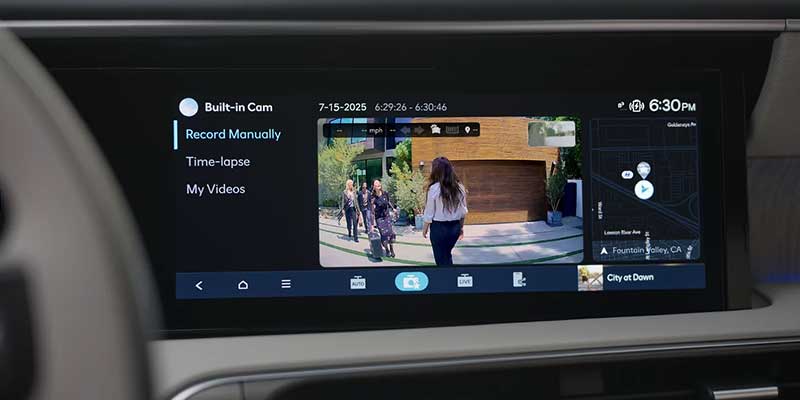
Key Features of Hyundai SmartSense Hyundai has taken a very deliberate approach to safety. Not by overwhelming drivers with technology, but by integrating systems that feel genuinely useful in everyday driving. SmartSense is the result of that thinking. It is a collection of features that step in when needed, then quietly step back when they are not. Forward Collision-Avoidance Assist Forward Collision-Avoidance Assist is one of the more essential systems. Using radar and camera input, it monitors what is happening ahead and reacts if closing speeds become an issue. The sequence is measured. First a warning, then braking if required. It is not abrupt or intrusive, just timely. In stop-and-go traffic, that added layer of response can make driving feel less tense. Lane Keeping Assist and Lane Following Assist Lane Keeping Assist and Lane Following Assist work together but serve slightly different roles. Lane Keeping Assist steps in when the vehicle begins to drift, applying small steering inputs to bring it back into position. Lane Following Assist goes further, helping maintain a centered path during longer stretches of highway driving. The effects are subtle. The vehicle feels settled rather than corrected, which is exactly how these systems should behave. Blind-Spot Collision-Avoidance Assist Blind-Spot Collision-Avoidance Assist adds awareness where mirrors fall short. It monitors adjacent lanes and alerts you if a vehicle is present during a lane change. If necessary, it can apply braking to help avoid conflict. That intervention is rare, but when it happens, it tends to feel justified rather than unexpected. How Hyundai Drive Assist Supports SmartSense Hyundai Drive Assist builds on SmartSense by adding convenience to the safety foundation. Adaptive Cruise Control with Stop & Go manages following distance and adjusts speed in traffic, which is particularly useful during longer commutes. Highway Driving Assist combines steering, speed, and spacing inputs to create a more relaxed experience on extended highway runs. Why Hyundai’s Approach Works What Hyundai has done well is restraint. The technology is advanced, but it does not demand constant attention or adjustment. Each feature has a clear purpose, and they operate with a consistency that builds trust over time. Experience SmartSense in Melbourne Hyundai SmartSense is best understood through use. The way the vehicle responds, the timing of the alerts, and the overall sense of support become clear within a few minutes behind the wheel. If you are around Coastal Hyundai, taking a closer look at a Hyundai equipped with SmartSense offers a practical view of how these systems fit into real-world driving. It is a thoughtful kind of technology, and that is what makes it effective.
Coastal Hyundai FL
Address
915 West New Haven Avenue
Melbourne, FL 32901
Phone
- Sales 321-384-0085
- Service 321-270-6060
| Monday | 9:00AM - 8:00PM |
| Tuesday | 9:00AM - 8:00PM |
| Wednesday | 9:00AM - 8:00PM |
| Thursday | 9:00AM - 8:00PM |
| Friday | 9:00AM - 8:00PM |
| Saturday | 9:00AM - 7:00PM |
| Sunday | 12:00PM - 5:00PM |
| Monday | 7:00AM - 5:00PM |
| Tuesday | 7:00AM - 5:00PM |
| Wednesday | 7:00AM - 5:00PM |
| Thursday | 7:00AM - 5:00PM |
| Friday | 7:00AM - 5:00PM |
| Saturday | 8:00AM - 4:00PM |
| Sunday | Closed |
| Monday | 7:00AM - 5:00PM |
| Tuesday | 7:00AM - 5:00PM |
| Wednesday | 7:00AM - 5:00PM |
| Thursday | 7:00AM - 5:00PM |
| Friday | 7:00AM - 5:00PM |
| Saturday | 8:00AM - 4:00PM |
| Sunday | Closed |